
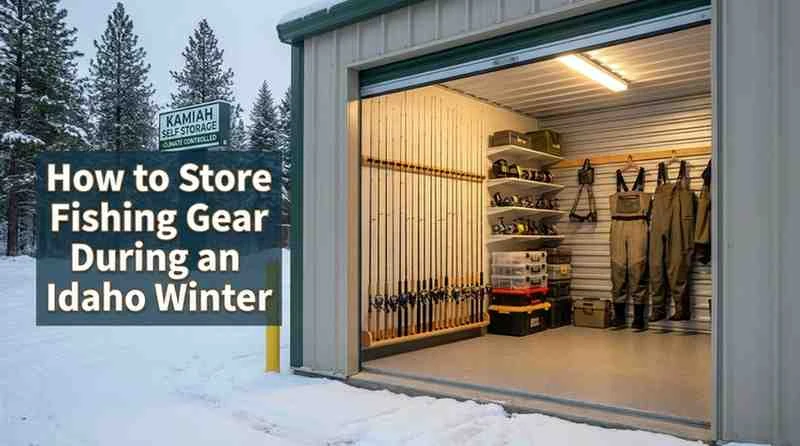
As the salmon and steelhead runs taper off and the lakes of central Idaho freeze over, your fishing gear faces a silent enemy: the off‑season. Rods, reels, waders, tackle, and lines are precision instruments that can degrade quickly if left in a damp garage, a freezing shed, or a cluttered corner of the basement. Learning how to store fishing gear in winter isn’t just about tidiness — it’s about protecting your investment so that next spring, your first cast is as smooth as your last one.
In this guide, you’ll learn a step‑by‑step process to winterize your fishing and outdoor gear, discover why a climate‑controlled environment is a game‑changer, and see how a local, secure self‑storage unit can finally free up your garage while guarding against rust, mold, and costly damage.
Why Winter Storage Is Critical for Your Fishing Equipment
Fishing gear is engineered to perform under tough conditions, but prolonged exposure to moisture and temperature swings can break it down faster than a season of hard use. In central Idaho, winter lows can plunge well below freezing while short thaws bring condensation. These cycles are devastating for equipment that isn’t properly stored.
The Threat of Moisture, Rust, and Mold
Metal components — reel bearings, hooks, swivels, and even rod guides — are susceptible to rust when humidity exceeds 60%. A single winter in a damp garage can cause fine pitting on reel spools or seize a drag system. Rods made from graphite or fiberglass won’t rust, but the microscopic cracks that hold moisture can freeze, expand, and weaken the blank. Meanwhile, trapped moisture in fly lines, waders, and life vests creates the perfect breeding ground for mildew and mold, which can degrade fabrics and leave a permanent odor.
Temperature Fluctuations and Line Degradation
Monofilament and fluorocarbon lines break down faster when exposed to extreme heat or cold. While cold itself isn’t as harmful as heat, the repeated freezing and thawing inside a typical garage can embrittle line. Braided lines are more resilient, but the backing and any attached leaders can suffer. Keeping lines at a stable, moderate temperature — what climate‑controlled storage offers — extends their life significantly.
Equipment Longevity and Pre‑Season Readiness
Every dollar spent on proper winter storage saves multiple dollars in repairs and replacements. More importantly, when the spring chinook run starts, you want to grab your gear and go, not spend the first weekend disassembling corroded reels or scrubbing mold off your wading boots. An organized, protected storage routine means your equipment is always hunt‑ready or fish‑ready.
How to Store Fishing Gear in Winter: A Step‑by‑Step Process
1. Deep Clean Everything Before Storage
Never store gear dirty. Salt residue from that trip to the coast, river silt, fish slime, and even dust act as moisture traps. For rods, wipe down blanks and guides with a soft cloth and mild, non‑detergent soap. Reels demand more attention: remove the spool, gently wash it in warm water, and use a soft toothbrush on the exterior. Rinse thoroughly with fresh water and let dry completely.
Waders and wading boots need a full soak and scrub to remove embedded grit and organic matter. Use a wader‑specific cleaner to maintain breathable membrane performance. Hang them inside out to dry in a ventilated area until absolutely no moisture remains — this can take days in a humid climate, which is why a climate‑controlled unit with air movement is ideal.
2. Loosen Drags and Back Off Tension
One of the most overlooked steps: loosen the drag on every reel. When a drag stays cranked down under pressure all winter, the washers can compress and take a set, leading to inconsistent drag performance next season. Back the drag off until it’s completely loose. This single habit can extend the life of your reel’s drag system by years.
3. Lubricate and Protect Metal Parts
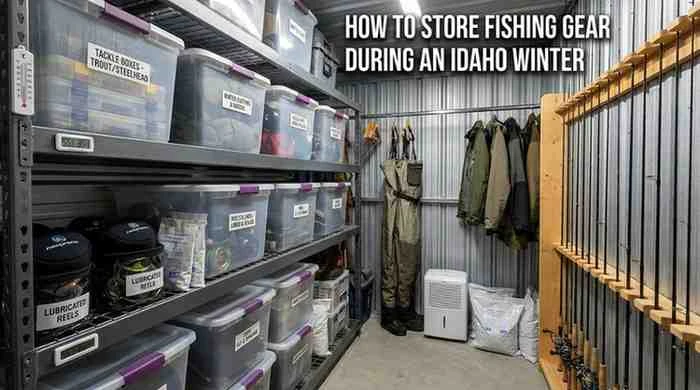
After cleaning and drying, apply a high‑quality reel oil to bearings and a light grease to gear teeth according to the manufacturer’s instructions. A tiny drop goes a long way — over‑oiling attracts dust. Wipe a thin film of corrosion inhibitor on exposed metal surfaces, including the reel seat and handle. For hooks, swivels, and blade baits, store them in compartment trays with a desiccant pack or a small piece of VCI (Vapor Corrosion Inhibitor) paper.
4. Store Rods Horizontally or Vertically — Correctly
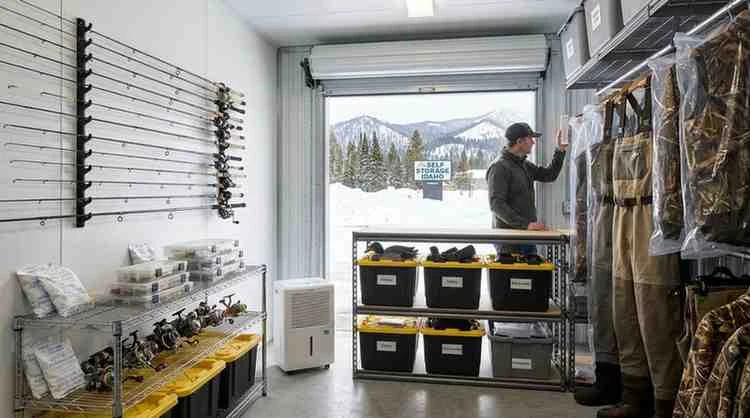
Horizontal storage on padded racks or wide‑spaced pegs is the safest way to avoid blank warping. If you must store rods vertically, always tip‑up to prevent tip damage, and ensure they are well supported so they can’t fall. Never lean rods against a wall at an angle for months; the constant pressure can create a permanent bend. Rod sleeves or protective tubes add a barrier against dust and accidental knocks.
5. Tackle and Lure Organization
Take the opportunity to inventory and reorganize your tackle. Remove all lures from wet boxes and dry them thoroughly. Replace any rusted split rings or hooks now. Store hard baits in airtight utility boxes with moisture‑absorbing packets. Soft plastic baits should be kept in their original bags or sealed containers to prevent leaching and melting into each other. Spools of line benefit from being placed in a sealed bag with silica gel — UV exposure is minimized in storage, but moisture is the real enemy.
6. Fly Line and Leader Care
Strip fly lines from reels, wipe them down with a line cleaning pad, and apply line dressing before loosely coiling them into large, non‑kinking loops. Store in a breathable cotton bag, not a sealed plastic bag, to allow any residual moisture to evaporate. Leaders and tippet spools go in a plastic bin with desiccants.
Don’t Forget Your Hunting Gear and Outdoor Equipment
If you’re storing fishing gear for winter, you probably have hunting equipment that needs the same level of care — and it can often share storage space. Elk hunting bows, rifles, optics, and tree stands all benefit from the same dry, stable environment. Firearms should be cleaned, lightly oiled, and stored in silicone‑treated gun socks or cases with desiccant. Optics should be capped and sealed, and batteries removed from electronics. By centralizing all your outdoor equipment in one well‑managed space, you simplify your off‑season and keep everything mission‑ready.
Why Climate‑Controlled Storage Is the Best Place for Fishing Gear
You might be tempted to stash everything in the garage or a basement closet. But these spaces are rarely climate‑stable. In Kamiah, winter humidity can spike during Chinook winds and rain‑on‑snow events. An unheated garage drops below freezing at night and warms up during the day, creating condensation that seeps into reel housings and fabric. A climate‑controlled storage unit maintains a consistent temperature (typically between 55°F and 80°F) and moderates humidity, virtually eliminating rust, mold, and material degradation.
Moisture Protection and Rust Prevention
The primary benefit is dehumidification. Our climate‑controlled units at Elk Country Storage Co. are designed to filter out excess moisture, so you can store even high‑end fly reels and custom rods with confidence. Combined with your own desiccant packets and proper loading, you create a near‑laboratory‑clean environment for sensitive equipment.
Temperature Stability for Tackle and Lines
Fluctuating temperatures can cause monofilament and fluorocarbon lines to develop memory coils or become brittle. A stable climate keeps lines supple and ready for the first float of the season. It also prevents the expansion and contraction that can crack plastic tackle trays or loosen glued components in rods.
Mold and Mildew Prevention
Fabric items like life jackets, boat cushions, and waders are susceptible to mold spores that thrive in stagnant, humid air. A dry, climate‑controlled space keeps these items fresh without the need for harsh chemical deodorizers. Your waders will smell like the river, not the basement.
How Elk Country Storage Co. Helps Kamiah Anglers Store Winter Gear
At Elk Country Storage Co., we understand the needs of outdoor enthusiasts because we are one. Our family‑owned business serves Kamiah, Kooskia, and the entire Clearwater Valley—from Stites and Harpster to Orofino, Cottonwood, and Grangeville. We’ve built our facility to solve the exact storage frustrations local anglers and hunters face.
Unit Sizes That Fit Your Load
Whether you need to store a few rod tubes and a tackle backpack or an entire boat‑load of gear, we have small, medium, and large storage units that let you pay only for the space you use. A small unit easily accommodates a full tackle system and multiple rod racks. A medium unit can handle an ATV, hunting gear, and a kayak. Large units suit families who store a drift boat frame, coolers, and camping setups.
24/7 Gate Access and No Hassle Terms
Winter fishing doesn’t completely stop in central Idaho. Steelhead fishing on the Clearwater can be productive through December and into the new year. With 24/7 gate access, you can retrieve your gear at 5 a.m. before hitting the river, even if it’s technically the off‑season. Our month‑to‑month rentals require no deposit, so if you only need storage from November through March, you’re never locked into a long‑term contract. And when spring rolls around, simply move out — no penalties, no hassle.
Secure, Gated Facility
Your fishing and hunting equipment isn’t just expensive — it’s personal. We’ve invested in a secure, gated storage facility with perimeter fencing, individual keypad access, and well‑lit drive aisles. You can feel confident that your gear is protected from both weather and unwanted visitors.
Online Reservations Make It Easy
Reserving a unit is simple. Use our online reservation system to check availability, choose the right size, and lock in your space. You can complete the entire move‑in process from your couch while the snow falls outside.
Local Use Cases: How Your Neighbors Store Winter Fishing Gear
Case 1: The Steelhead Guide
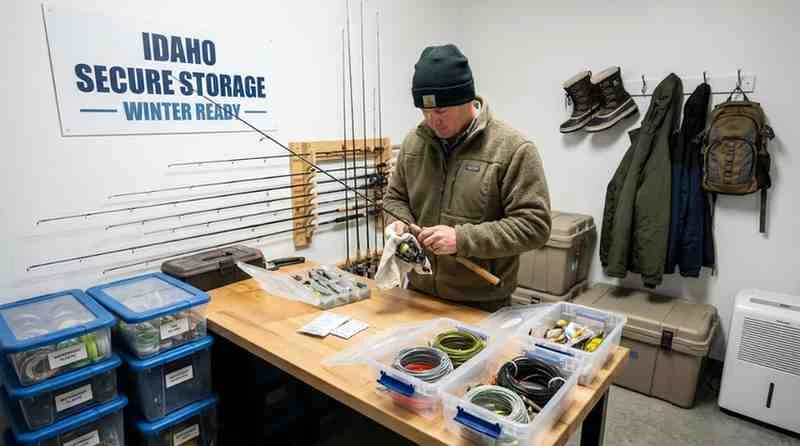
A Kamiah‑based fishing guide stores his complete setup — multiple drift rods, center pin reels, spare tackle, and waders — in a climate‑controlled 10×10 unit. After the season, he cleans everything, hangs his rods on wall racks, and stacks his tackle in sealed bins. The stable environment ensures his client‑ready gear stays pristine, and the 24/7 access allows him to grab a spare rod instantly if a last‑minute trip pops up.
Case 2: The Multi‑Sport Family
A family from Kooskia keeps both fishing and hunting gear in a single medium unit. During winter, the fishing rods and tackle migrate to shelves while the deer‑hunting gear comes out. Come spring, they rotate back. The month‑to‑month rental means they can upgrade to a larger unit if they buy a raft, then downsize again in late summer.
Case 3: The Enthusiast with Limited Garage Space
A Grangeville angler uses a small 5×5 climate‑controlled unit solely for his high‑end fly‑fishing collection. His bamboo rods, classic reels, and hand‑tied flies would be at risk in his uninsulated garage, but inside the unit they’re preserved exactly as he left them. The no‑deposit policy made it easy to test the size.
Frequently Asked Questions About Storing Fishing Gear in Winter
- How should fishing gear be stored during winter?
- Clean, dry, and lubricate all equipment. Loosen drags, remove batteries, and store rods horizontally or tip‑up. Use airtight bins for tackle and line, and ideally place everything in a climate‑controlled environment to prevent rust, mold, and temperature damage.
- Can moisture damage fishing equipment?
- Absolutely. Moisture causes rust on metal components (reels, hooks, guides), promotes mold on fabrics and lines, and can warp rod blanks if absorbed. A dry, climate‑controlled storage space is the best defense.
- Is climate‑controlled storage good for fishing gear?
- Yes. Climate‑controlled units maintain stable temperature and humidity, which directly prevents corrosion, mildew, and line degradation. They are the top‑tier choice for preserving expensive rods, reels, and electronics.
- What is the best storage setup for fishing tackle?
- Use compartmentalized, waterproof tackle boxes with desiccant packets. Store them on sturdy shelving in a dry area. Label boxes by species or river system for quick access. Large, interlocking plastic bins work well for bulk soft plastics and spools.
- Can fishing gear be stored in a garage?
- It can, but garages often experience severe temperature swings, humidity, and exposure to vehicle exhaust and dust. If you must use a garage, store gear in sealed, waterproof containers with heavy‑duty moisture absorbers. Still, a climate‑controlled storage unit is far safer for long‑term off‑season storage.
- How do you prevent rust on fishing reels during winter?
- Clean reels thoroughly, allow them to dry completely, lubricate bearings and gears, and store them in a low‑humidity environment. Keep desiccant packs inside the reel case or storage bin. Avoid storing reels in unheated sheds or directly on concrete floors.
- Should rods and reels be stored together?
- It’s better to store them separately. Reels can be removed and stored in padded cases or bins. Rods should be in sleeves or on racks. If you must keep them together, ensure the reel is protected from knocks and that the line is not under tension.
- How do you prevent mold in stored outdoor gear?
- Ensure everything is bone‑dry before packing. Use moisture‑absorbing products, allow air circulation if possible, and avoid enclosing damp items. Climate‑controlled storage effectively eliminates the humidity mold needs to grow.
- Can fishing line go bad during winter storage?
- Yes, especially monofilament and fluorocarbon. Storing line in a cool, dry, and dark place extends its life. In a fluctuating environment, line can weaken. Consider replacing line at the start of each season for critical applications.
- Do you require a deposit for a storage unit?
- At Elk Country Storage Co., we never require a deposit. Your move‑in cost is simply your first month’s rent, making it risk‑free to get your gear protected.
- Can I reserve a storage unit online?
- Yes. Our online reservation system lets you see real‑time availability, choose a unit size, and lock it in immediately, all without an in‑person visit unless you prefer one.
- What unit sizes are available for fishing gear?
- We offer small, medium, and large units. A small unit fits a large tackle collection and multiple rods. Medium units accommodate an ATV alongside gear. Large units handle boats, trailers, and full outdoor recreation setups.
Get Your Gear Winter‑Ready with Secure Storage in Kamiah
Properly storing your fishing equipment over the winter keeps you ready for the first sign of open water and saves you from expensive repairs. By combining a careful cleaning, maintenance, and organization routine with the climate‑controlled, secure storage offered at Elk Country Storage Co., you’re giving your gear the protection it deserves. Add in 24/7 access, no deposit, and month‑to‑month flexibility, and there’s never been a better time to reclaim your garage and preserve your outdoor investments.
Serving Kamiah, Kooskia, and the entire Clearwater Valley, we’re your local storage partner. Reserve your climate‑controlled unit online today or give us a call — and start next season with gear that’s as fresh as the day you last used it.